
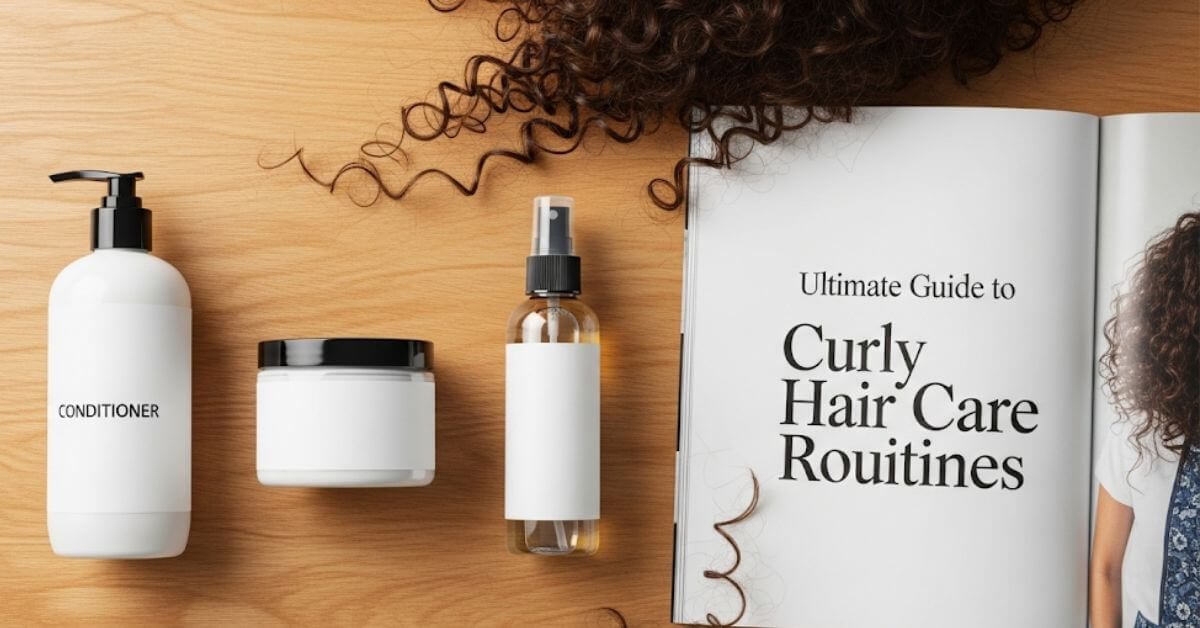
Healthy, vibrant curls start with embracing your natural texture and tailoring each step to its unique needs. This all-in-one, expert covers every facet of curly hair care—from scalp health and nutrition to advanced styling techniques—ensuring hydration, definition, and lasting curl health for types 2A–4C and all porosity levels.
1. Know Your Curls: Pattern, Porosity, Density & Elasticity
1.1 Curl Pattern (2A–4C)
| Type | Pattern | Traits & Needs |
|---|---|---|
| 2A–2C (Wavy) | Loose S-shaped waves | Fine to coarse; prone to frizz. Benefit from lightweight hydrators and gentle gels. |
| 3A–3C (Curly) | Defined spirals | Medium to tight coils. Require richer creams and medium-hold gels for lasting shape. |
| 4A–4C (Coily) | Tight coils or zigzags | Fragile; high shrinkage. Need intense hydration, sealing oils, and strong-hold gels. |
1.2 Porosity (Low, Medium, High)
| Porosity | Cuticle Behavior | Care Focus |
|---|---|---|
| Low | Cuticles lie flat | Light humectants on damp hair; clarify buildup; seal ends with oils. |
| Medium | Moderate cuticle lift | Maintain protein-moisture balance with regular treatments. |
| High | Raised/gapped cuticles | Heavy creams; alternate protein and moisture; finish with cool-water rinse. |
1.3 Elasticity Profiling
- Strand Stretch Test: Wet single fibers, stretch gently, then observe recoil.
- High Elasticity: Quick recoil; hair is healthy.
- Low Elasticity: Slow or no recoil; indicates damage and protein deficiency.
- Customized Plans:
- Low-poro/High-elasticity: Focus on moisture maintenance.
- High-poro/Low-elasticity: Emphasize rebuilding protein bonds before heavy hydration.
2. Scalp Health & Maintenance
- Weekly Exfoliation: Use a sugar-or salicylic-acid scrub to remove buildup and boost circulation.
- Scalp Massages: Spend 5–10 minutes pre-wash massaging with jojoba or tea-tree oil to stimulate blood flow and balance sebum.
- Alternate Shampoos: Rotate clarifying cleansers (for buildup) with moisturizing, sulfate-free shampoos to support a healthy microbiome.
3. Nutrition, Supplements & Lifestyle
- Curly-Friendly Diet:
- Protein: Fish, legumes, eggs for keratin synthesis.
- Omega-3s: Salmon, flaxseeds for scalp health.
- Iron + Vitamin C: Spinach + citrus to aid absorption.
- Hydration: Aim for 2–3 L water/day; include high-water fruits like watermelon and cucumber.
- Targeted Supplements: Biotin, collagen peptides, zinc—only after testing deficiencies with a healthcare professional.
4. The Science of Hydration & Moisture Retention
Curly strands’ spiral structure impedes sebum travel, leading to dryness and frizz. Effective routines prioritize:
- Sulfate-free Cleansers & Co-washes to preserve natural oils.
- Gentle Handling: Avoid cotton towels; use microfiber or cotton T-shirts to reduce friction.
- Soaking-Wet Application: Distribute styling products on dripping-wet hair for optimal curl formation.
5. Essential Product Categories
| Category | Purpose | Examples & Tips |
|---|---|---|
| Cleansers | Remove dirt/buildup without over-stripping | Low-poo shampoos 2–3×/week; co-washes mid-week |
| Conditioners | Moisturize, detangle, restore cuticle integrity | Rinse-out: coconut, argan oils; deep masks weekly |
| Leave-ins/Treatments | Provide ongoing moisture & protection | Light milks for low porosity; heavy emulsions for high |
| Styling Products | Define, hold, and manage shrinkage | Creams for slip; gels/mousses for hold without crunch |
6. Foundational Routine
- Cleansing Phase
- Frequency: 1–3×/week (oily scalps 2–3×; dry/scaly 5–7 days apart).
- Technique: Gentle scalp massage; rinse thoroughly.
- Conditioning Phase
- Apply from mid-length to ends; finger-detangle or use a wide-tooth comb.
- Rinse partially or leave a thin layer for extra slip.
- Styling Phase
- Work products into saturatingly wet hair.
- Techniques: Scrunching, finger-coiling, praying-hands, or S-masters for precision.
- Drying Phase
- Air-dry when possible.
- If diffusing: low heat/low airflow; avoid touching hair until completely dry.
7. Protective Styling & Sleep Protocols
- Protective Updos: Pineapple, loose twists, braids, buns—minimize tension and moisture loss.
- Overnight Care: Pineapple method, silk bonnet or cotton T-shirt wrap, satin pillowcases to reduce friction.
- Active Lifestyles: Secure hair with headbands or space buns; spritz with a leave-in before workouts.
8. Heatless & Advanced Styling Techniques
- Advanced Methods: Raking, scrunching, roping, finger-coiling, and praying-hands for clump control.
- Heatless Sets: Twist-outs, bantu knots, roller sets on damp hair. Layer products, air dry or diffuse gently, then unravel.
- Seasonal Tweaks:
- Summer: lighter gels, medium-hold sprays.
- Winter: heavier creams, anti-frizz serums.
9. Common Pitfalls to Avoid
- Over-washing: Strips oils → dryness & breakage.
- Harsh Ingredients: Sulfates, drying alcohols, non-water-soluble silicones cause buildup and damage.
- Brushing Dry Hair: Disrupts patterns → frizz.
- Rough Toweling: Increases friction; always blot with soft microfiber or T-shirt.
10. DIY Treatments & Home Remedies
- Custom Masks:
- Wavy: Coconut milk + honey.
- Curly: Avocado + olive oil.
- Coily: Banana + shea butter.
- pH-Balancing Rinse: Apple cider vinegar diluted 1:1; apply 5–10 minutes, then rinse for added shine.
- Nourishing Oils: Mix aloe vera with honey for slip or fenugreek + marshmallow for detangling.
Key Takeaway: A truly comprehensive curly hair routine integrates scalp health, nutrition, hydration science, advanced profiling, protective styling, and DIY treatments—tailored precisely to your curl pattern, porosity, and elasticity. With this holistic approach, each curl can flourish with strength, definition, and radiant vitality.
Related Articles
- How to Build a Curly Hair Routine
- Wavy Hair Wash-Day Tips – Your Complete Guide
- How To Plop Curly Hair – Everything You Need To Know
- 3 Best Hair Mask for Hair Growth and to Stop Hair Fall
- How to Get Curly Hair Naturally Permanently at Home
- Will My Hair Go Back to Curly After Straightening?
- Curly Hair Archives
- 4C Hair Archives
- How To Stop Your Hair Clumping Together?
- 4 Best Silk Sleep Cap For Curly Hair