
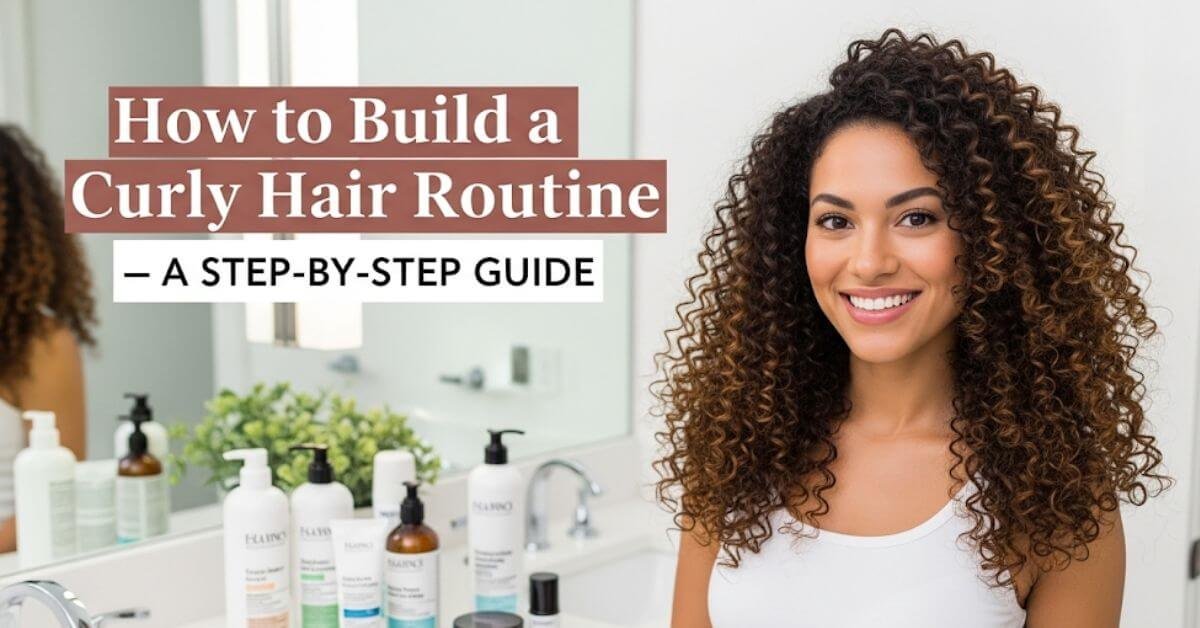
Healthy, defined curls begin with understanding your unique hair needs and following a systematic approach. This guide walks you through every essential assessment to advanced techniques—to craft a personalized routine that enhances hydration, minimizes damage, and maximizes curl definition.
1. Assess Your Hair Type and Needs
Before choosing products or techniques, evaluate:
Curl Pattern (2A–2C, 3A–3C, 4A–4C)
- 2A–2C (Wavy): Loose S-shaped waves, prone to frizz; benefit from lightweight hydrators and gentle gels.
- 3A–3C (Curly): Defined spirals; require richer creams and medium-hold gels.
- 4A–4C (Coily): Tight coils; fragile and highly prone to shrinkage—need intense hydration and strong-hold gels.
Porosity (Low Porosity, High Porosity)
- Low Porosity: Cuticles lie flat, resisting moisture—use lightweight humectants on damp hair and seal ends with oils.
- Medium Porosity: Balanced cuticle lift—maintain with regular protein-moisture treatments.
- High Porosity: Raised or gapped cuticles—alternate heavy creams with protein treatments and finish with a cool-water rinse.
Lifestyle Factors
- Exercise Frequency: Active lifestyles may require mid-week refreshes (co-wash or curl-refresher sprays).
- Climate: Humid environments need stronger hold products; dry climates demand extra moisture.
2. Reset Wash
Use a clarifying (sulfate-containing) shampoo once to remove silicone and buildup. Immediately follow with a deep-conditioning mask (best hair masks) to replenish moisture and prepare hair for your new routine.
3. Establish Your Cleansing Routine
Determine frequency by curl type and scalp needs:
- Wavy (2A–2C): 3–4×/week
- Curly (3A–3C): 2–3×/week
- Coily (4A–4C): 1–2×/week
Choose your method:
- Low-poo (sulfate-free shampoo) for traditional cleansing.
- Co-wash (conditioner-only) to preserve moisture on very dry hair.
- Alternating: Combine methods based on scalp oiliness and dryness.
4. Perfect Your Conditioning Technique
Apply conditioner from mid-length to ends; detangle gently with fingers or a wide-tooth comb. For maximum hydration, use Squish-to-Condish:
- With hair dripping wet and coated in conditioner, cup water in your palms.
- Flip your head forward and squish hair upward toward the scalp, forcing water and conditioner into the curls.
- Repeat until hair feels slippery and curl clumps form naturally.
5. Master Your Styling Application
Timing is crucial—work on soaking-wet hair immediately after conditioning:
- Layering: Start with leave-in, then curl cream or gel.
- Techniques: Use praying hands to smooth, scrunch to encourage clumping, or finger-coil tighter curls.
- Less is more: Begin with small amounts and add as needed.
6. Optimize Your Drying Process
- Plopping: Wrap hair in a cotton T-shirt or microfiber towel for 10–20 minutes to absorb excess water without frizz (how to plop curly hair).
- Air Drying: The gentlest method—avoid touching hair until fully dry.
- Diffusing: Use a diffuser on low heat/low speed, cupping curl sections rather than moving the dryer through hair.
7. Maintain Between Washes
On non-wash days, refresh with:
- Water + leave-in mist: Lightly spritz and scrunch.
- Curl refresher sprays: Boost moisture and definition (how to get curly hair naturally permanently at home).
- Oils/serums: Apply a pea-sized amount, then scrunch to tame frizz.
8. Protect Your Curls Overnight
- Silk/Satin Pillowcases: Reduce friction and prevent frizz (best silk sleep cap for curly hair).
- Medusa Clipping: Section hair and clip at the crown to preserve curl shape without tension.
- Loose Pineapple: Gather hair lightly on top of the head for longer lengths.
9. Deep Condition Regularly
Incorporate weekly or bi-weekly treatments:
- Protein Masks: Rebuild damaged protein bonds.
- Moisture Masks: Restore hydration to dry, brittle strands.
- DIY Options: Avocado + olive oil (curly), banana + shea butter (coily).
10. Monitor and Adjust
Your hair changes with seasons, hormones, and life events. Look for signs:
- Limp or overly stiff hair indicates imbalance between protein and moisture.
- Product buildup or limp curls signal the need for clarification.
Adjust frequency, products, and methods accordingly—true progress may take 4–6 weeks.
Related Articles
- Ultimate Guide to Curly Hair Care Routines
- Wavy Hair Wash-Day Tips – Your Complete Guide
- How To Plop Curly Hair – Everything You Need To Know
- 3 Best Hair Mask for Hair Growth and to Stop Hair Fall
- How to Get Curly Hair Naturally Permanently at Home
- Will My Hair Go Back to Curly After Straightening?
- How To Stop Your Hair Clumping Together?
- 4 Best Silk Sleep Cap For Curly Hair